
Why Golf is More Than a Game
There are easier sports to love. Golf takes longer than it should. It punishes arrogance and rewards patience unevenly. The learning curve is steep, the equipment is expensive, and on any given day, the game can make you question every decision you've made since breakfast.
And yet here we are. Millions of us, in every country on earth, walking courses at dawn and debating swing thoughts over dinner. Not because golf is easy. Because it's worth it.
Today is National Golf Day. It's a day set aside to celebrate the sport - its impact, its traditions, and the industry that sustains it. But we think the real question is simpler than any policy position or economic impact study: why do we play?
A Game Older Than We Think

Golf is one of the oldest sports still played in roughly its original form. The first recorded mention dates to 1457 in Scotland, when King James II banned it because his subjects were neglecting their archery practice. They were, presumably, too busy arguing about club selection.
For over five hundred years, the game has survived every attempt to modernize it out of existence. It's absorbed new technology, new cultures, and new players without losing the things that made it matter in the first place.
You still walk the course. You still keep your own score. You still shake hands on 18. The honor system remains. In an age where every other part of life is tracked, measured, and verified by third parties, golf still trusts you to call a penalty on yourself when no one's watching.
That says something about the game. And about the people who play it.
The Walk
Every golfer has their version of this, but here's ours: the best part of golf isn't the swing. It's the walk.
The four minutes between shots where you're not performing, not competing, not being evaluated. You're just moving through a landscape, alongside someone you chose to spend four hours with, talking about things that matter or nothing at all.
There's no other sport that gives you this. Basketball has timeouts. Football has huddles. Golf has a walk through an open field with your closest friend, and a conversation that picks up exactly where it left off on the 7th hole.
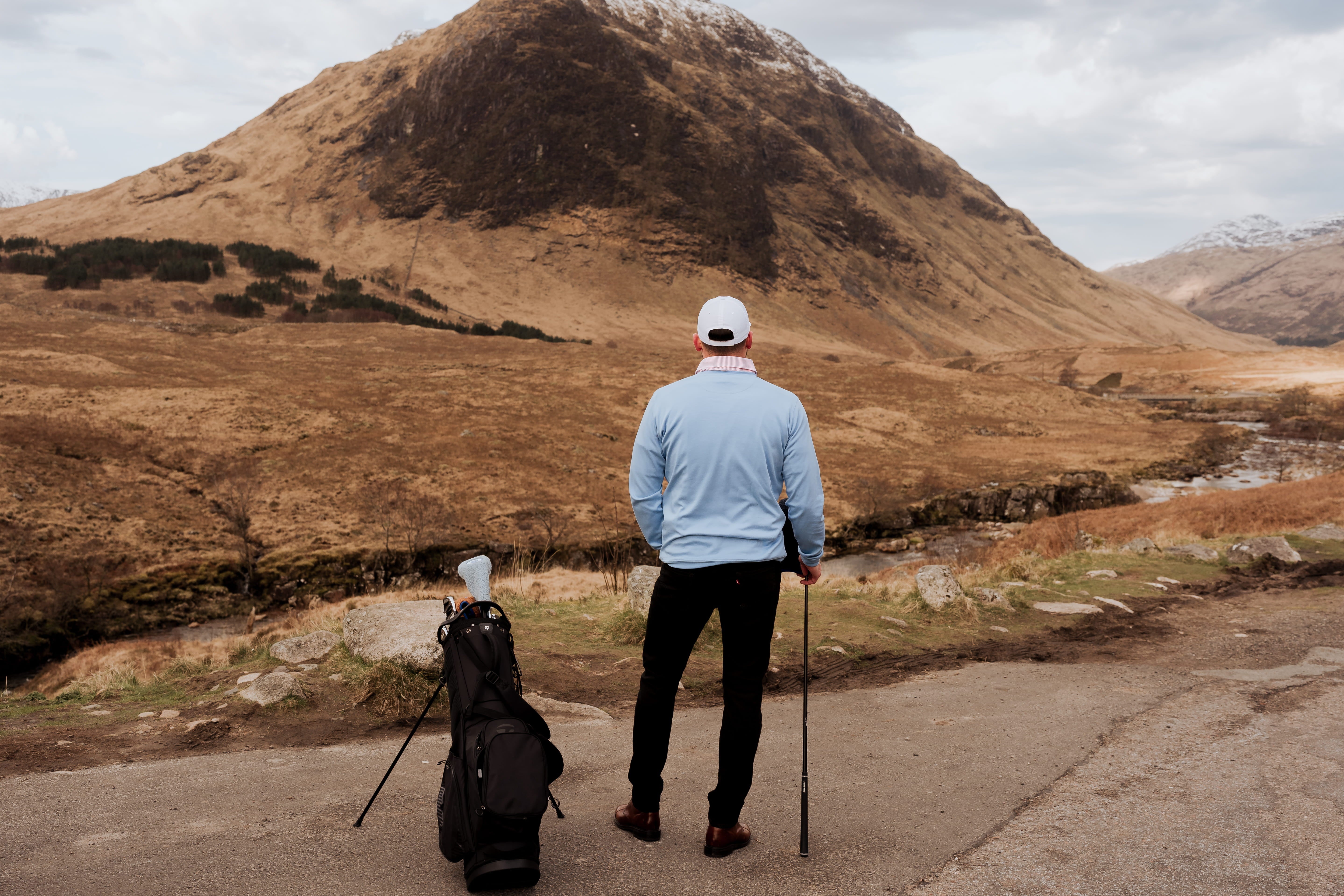
The Scots understood this instinctively. The original links courses weren't designed for spectacle, they followed the natural contour of the land, and the walk was the point. You played the game in order to take the walk, not the other way around.
Somewhere in the centuries since, we started measuring golf by scores and stats and strokes gained. All useful. None essential.

The 19th Hole
If the walk is the soul of the game, the 19th hole is its heart. Every golfer knows: the best stories from a round don't happen on the course. They happen after - at the bar, at the table, over a drink that tastes better because you earned it. The putt that lipped out on 16 becomes legendary by the time you're halfway through your second beer. The chip-in on 11 gets retold until it sounds like you meant to do it.
This is where friendships deepen. Where business relationships become genuine. Where your regular foursome becomes the group of people who know you best, not because you've shared secrets, but because you've shared eighteen holes in the rain and neither of you complained.
Golf is a solo sport played in company. That contradiction is the whole point.
Heritage and Hospitality
At Gresham Reed, we think about golf culture as much as we think about golf performance. The two are inseparable.
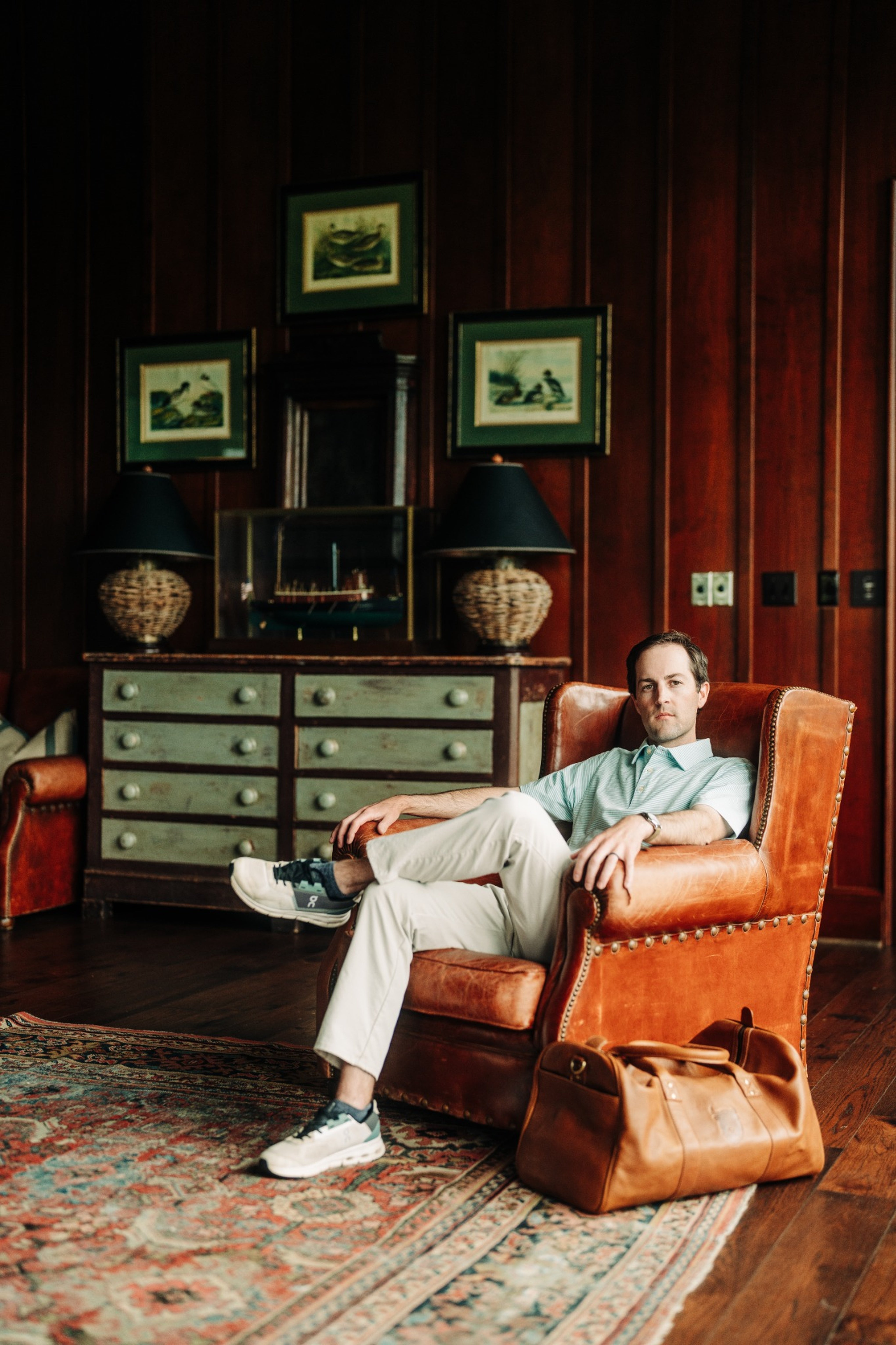
Our brand is rooted in Scottish heritage; the landscape, the traditions, the values that have sustained the game for half a millennium. But we're also rooted in the American South, where golf culture means Saturday morning tee times, Georgia hospitality, and a cooler that's never empty.
These aren't competing identities. They're two expressions of the same thing: a sport that brings people together, rewards integrity, and gives you a reason to walk outside on a beautiful morning.
National Golf Day exists to celebrate the sport's role in communities, economies, and lives across the country. We support that fully. But our celebration is simpler.
We play because the game is good. Not perfect, good. Good in the way that things earned slowly are always better than things given quickly. Good in the way that a four-hour round with the right people is never long enough. Good in the way that a game invented by Scottish shepherds half a millennium ago still makes you want to set an alarm for Saturday morning.

Play Well
However you mark National Golf Day, whether on the course, at the range, at home watching the highlights, take a moment to remember why you started.
Not for the gear. Not for the handicap. For the game itself.
The walk. The company. The feeling after a round that nothing else in your week can replicate.
That's why we play. That's why we always will.
Happy National Golf Day.
Share your golf story → Tag @greshamreed and tell us why you play.